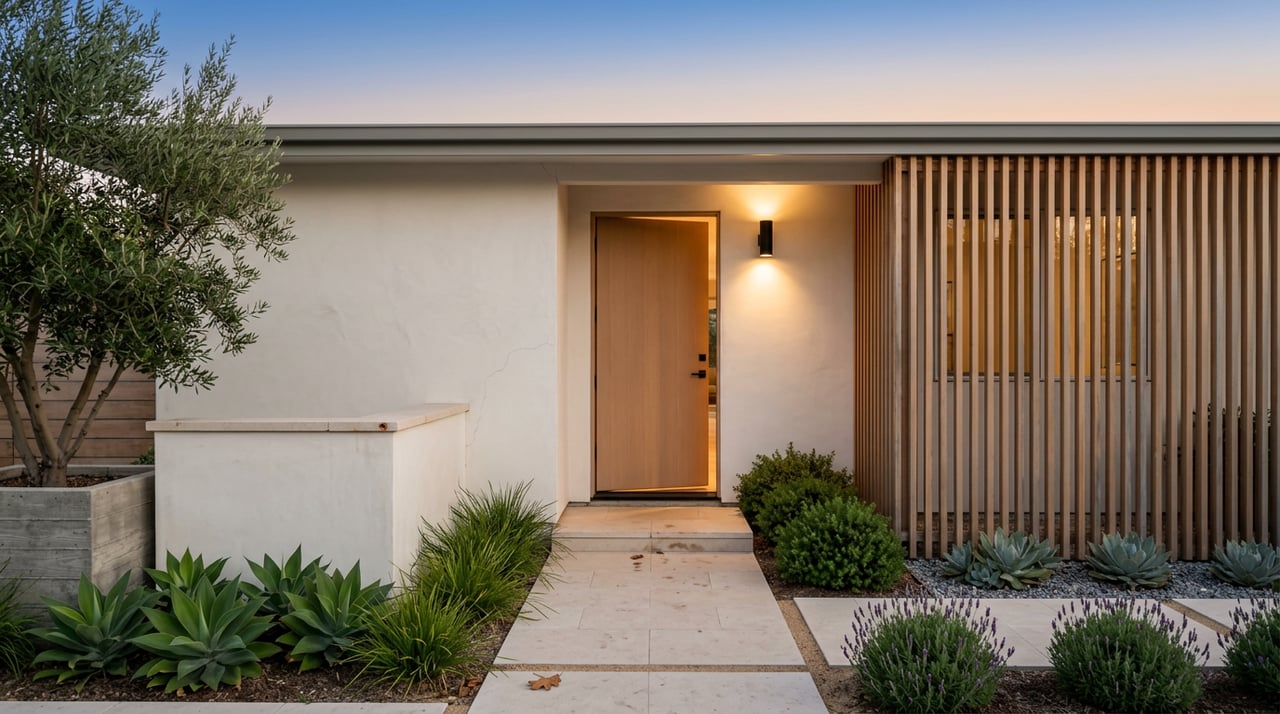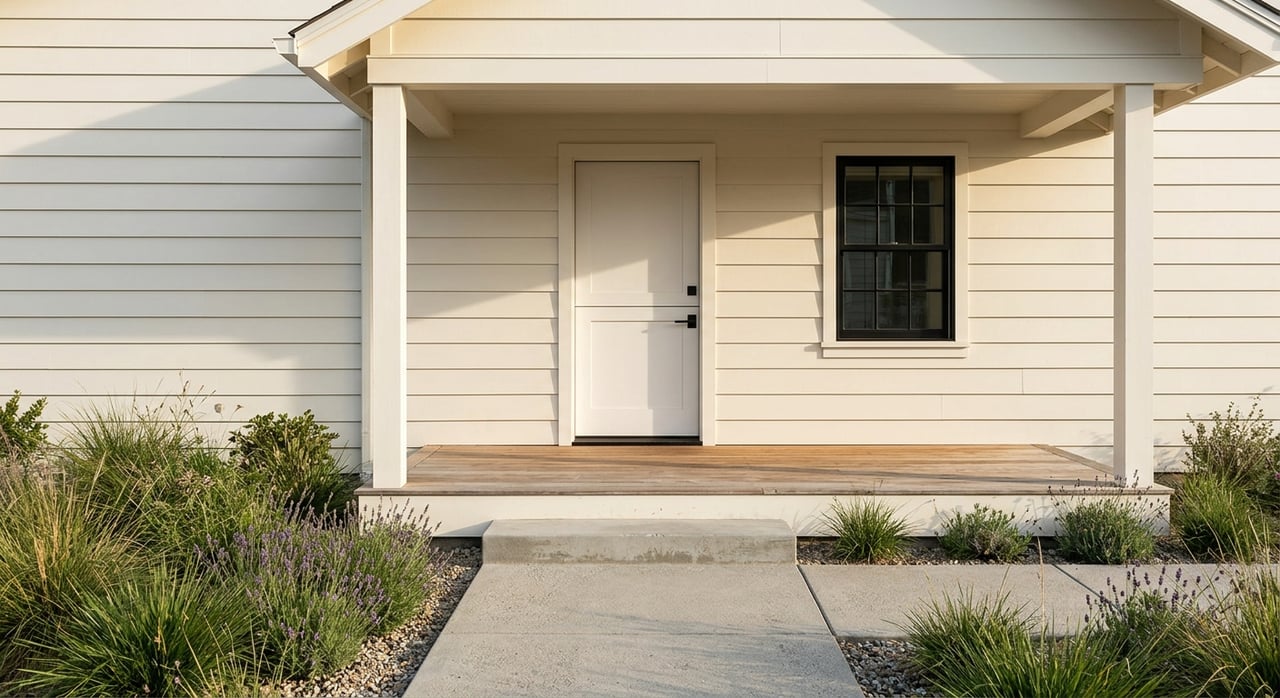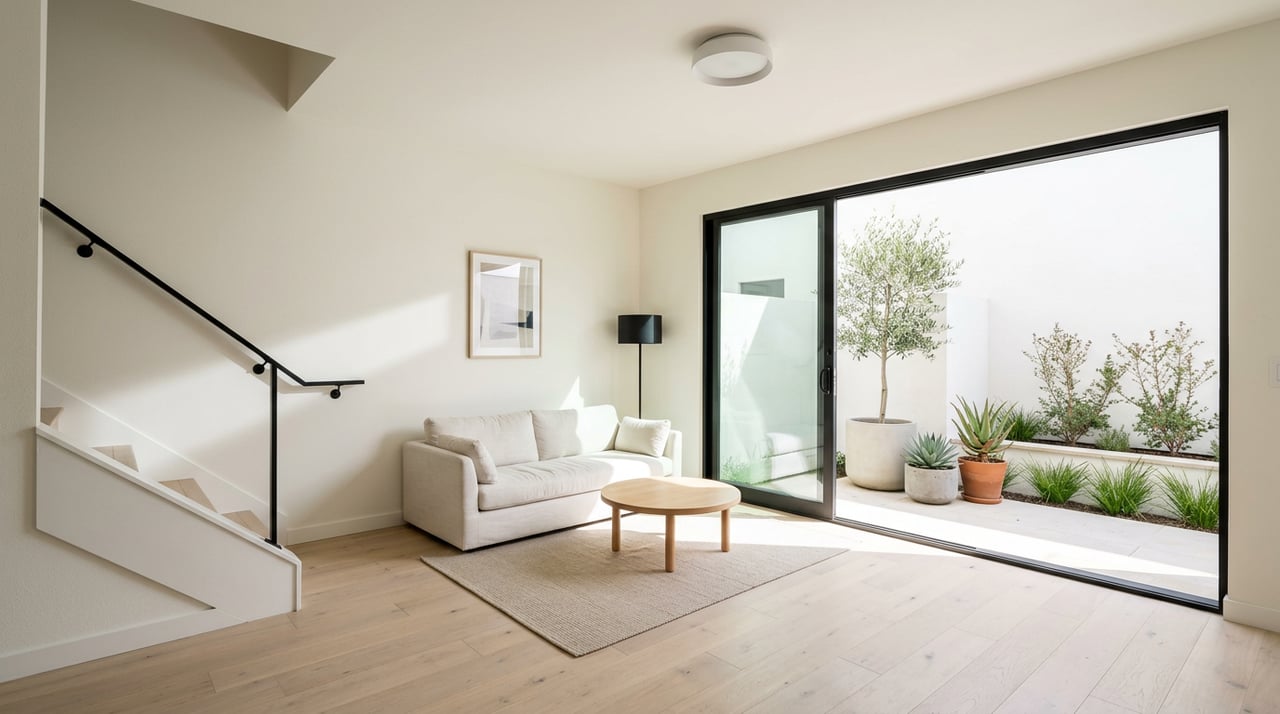
Thinking about a townhome in Culver City but not sure what the day-to-day or monthly costs really look like? You’re not alone. Between HOA rules, parking, financing, and commute options, there is a lot to weigh before you write an offer. In this guide, you’ll learn how Culver City townhomes are priced, what amenities and layouts are common, how HOAs work, and what to check during escrow so you buy with confidence. Let’s dive in.
Culver City market at a glance
As of February 2026, Redfin reports a citywide median sale price around $1.39 million across all home types. Different aggregators often report different medians, and month-to-month shifts are normal in a smaller market. Expect some variation by data source and whether you’re looking at sold prices or active list prices.
Townhomes in Culver City typically price below comparable single-family homes nearby because they include less land and come with shared common areas. That price gap can make a move-in-ready townhome a smart entry into the neighborhood while keeping you close to Westside hubs.
What you get in a Culver City townhome
Common layouts and sizes
You’ll most often see 2 to 3 bedrooms and 2 to 3 bathrooms, with interiors ranging roughly from 1,000 to 1,900 square feet, depending on age and design. Many older communities feature two-level homes with private patios. Newer infill builds often rise to three stories with open-plan living areas and roof decks.
Parking and garages
Most existing townhomes include at least one covered space, commonly a one- or two-car garage, with tandem layouts in some communities. Culver City updated its zoning and no longer requires citywide parking minimums for new projects, so newer developments may vary. For existing townhomes, plan for 1 to 2 assigned spaces unless the HOA or listing notes otherwise. If parking is a priority, confirm the exact spaces and rules in writing. You can review the city’s current parking and design guidance in the Culver City zoning code for added context.
- Reference: the city’s zoning code outlines parking dimensions and allows tandem parking in certain projects. See the city’s code update document for details in the residential sections: Culver City zoning code.
Outdoor space and amenities
Expect private patios, balconies, or roof decks. Some communities include shared courtyards, a pool or spa, and limited guest parking. Amenities drive monthly dues, so compare complexes with and without pools or gyms to see how that affects your budget.
HOA costs, rules, and what to read closely
Monthly HOA dues in Culver City vary widely. Active listings often show fees from the low hundreds up to the upper hundreds per month, with higher dues in buildings that include more services or broader insurance coverage. Always confirm the exact number and inclusions for the specific home.
- What fees often cover: common-area upkeep, landscaping, pool maintenance, trash, and an exterior master insurance policy. Some HOAs also include water or sewer.
- What fees typically do not cover: your personal homeowner’s policy (HO-6), mortgage payment, or property taxes.
California HOAs are governed by the Davis-Stirling Common Interest Development Act. When you open escrow, you will receive a resale disclosure packet that includes CC&Rs, bylaws, budgets, insurance summaries, and more. Associations have a defined time to deliver these documents once requested, and buyers get a short review period tied to delivery. Learn more in the state’s Civil Code resource: California Civil Code guidance.
Two things to scrutinize closely:
- Reserve funding and special assessments. Read the reserve study and recent meeting minutes. Low reserves are a common reason for later special assessments. Guidance for boards, which is useful to buyers as well, highlights these risks: HOA management board guide.
- Rules that affect lifestyle and resale. Look for pet policies, rental restrictions, guest parking rules, exterior modification limits, and EV-charging policies. California law shapes what associations can and cannot restrict, but the CC&Rs and operating rules still matter. See the statutory framework here: California Civil Code guidance.
Financing and taxes: what to expect
Financing and project approvals
If you plan to use conventional or FHA financing, your lender may need the community to be “warrantable.” Factors like investor concentration, commercial components, and HOA delinquency rates can affect eligibility. FHA offers project approvals and a Single-Unit Approval path in many cases, which can expand your options. Start this check early to avoid underwriting delays. For a helpful overview, see: FHA condo approvals and single-unit approvals.
Property taxes in Los Angeles County
Under Proposition 13, California’s base property tax rate is 1% of assessed value. That assessed value can rise up to 2% annually, except when a property sells or there is new construction. Voter-approved bonds and assessments are added on top of the base rate, so the effective total is usually a bit higher than 1%. You can review county resources here: Los Angeles County Property Appraiser.
Commute and lifestyle advantages
Culver City sits close to major Westside employers, studios, and tech offices, which is a big draw for buyers who value short commutes and a walkable core. Historic anchors like Sony Pictures keep a steady employment base: Sony Pictures Studios visitor information. The area’s mixed-use hubs add restaurants, cafes, fitness, and green space that support convenient townhome living. For perspective on how tech growth interacts with local neighborhoods, see this industry viewpoint: Metropolis on tech and Culver City.
Transit is a real perk. The Metro E (Expo) Line stops at Culver City Station, connecting you directly to Santa Monica and Downtown LA, and links to Culver CityBus routes and bike networks. You can review schedules here: Metro E Line timetable. Freeway access to I-10 and I-405 is convenient, but drive times vary widely by time of day, so check live conditions for your specific route.
Cost comparison: townhome vs single-family
Below is a simple, non-mortgage carrying cost snapshot that highlights how HOA dues and property taxes can differ. It uses the 1% base property tax rate under Proposition 13. Real bills often include additional voter-approved charges. This example is for illustration only.
- Date of example: February 2026
| Component | Example Townhome (price $1,200,000, HOA $600/mo) | Example Single-Family (price $1,600,000, no HOA) |
|---|---|---|
| Base property tax (1%/12) | $1,000/mo | $1,333/mo |
| HOA dues | $600/mo | $0/mo |
| Total of these two items | $1,600/mo | $1,333/mo |
What this shows: a lower purchase price can reduce your base tax significantly, but HOA dues may offset part of that savings. When you add your mortgage payment, any insurance, and utilities, you’ll get a full monthly picture. Your lender can help you model scenarios so you can compare apples to apples.
Pre-offer checklist for Culver City townhomes
Before you write an offer, gather and verify the details that will matter most once you own the home.
- Ask for the HOA resale packet early. You’ll want CC&Rs, bylaws, budget, reserve summary, insurance declarations, any pending assessment notices, and the last 12 months of board minutes. California’s Davis-Stirling Act sets the delivery framework and buyer review period: California Civil Code guidance.
- Confirm parking. Identify the exact assigned spaces and whether they are deeded or exclusive-use common areas. If you rely on street parking for guests, verify local and HOA rules. For context on local standards, see the Culver City zoning code.
- Ask about assessments, delinquencies, and litigation. High delinquency rates or pending litigation can affect financing and future costs. See practical board-level insights here: HOA management board guide.
- Check financing fit early. If you need FHA or specific conventional programs, confirm whether the community is approved or eligible for single-unit approval: FHA condo approvals overview.
In escrow: key documents to review
- Order the estoppel/resale certificate and confirm who pays any statutory document fees. Compare the HOA’s master insurance policy with your broker’s HO-6 quote so you cover any gaps. Guidance for reserve and insurance review: HOA management board guide.
- Read the reserve study and recent financials. If reserves are low relative to roofs, siding, or elevated decks, plan for possible assessments.
- Verify guest parking and EV-charging rules. Some HOAs allow permanent chargers in private garages with reasonable conditions. Always read the CC&Rs and current rules. See the statutory framework here: California Civil Code guidance.
What HOA documents reveal
A careful read of the resale packet can save you from surprises later. Focus on these items:
- Reserve strength. Compare current reserves to the association’s upcoming repair obligations. Low reserves increase the chance of special assessments. Reference: HOA management board guide.
- Assessment history and plans. Look for any board-approved or proposed special assessments in the minutes.
- Insurance coverage. Confirm what the master policy covers and what you must insure under your HO-6. Your lender may require certain levels of coverage.
- Rules that affect resale. Rental caps and short-term rental restrictions can influence buyer demand and financing eligibility under some loan programs. See the legal framework: California Civil Code guidance.
Ready to explore Culver City townhomes?
If you want a walkable Westside location with strong transit, studio and tech access, and a lock-and-leave lifestyle, a Culver City townhome can be an excellent choice. Our team can help you compare HOA health across communities, model monthly costs, and surface on- and off-market options that fit your life. Connect with the Jenny Morant Group to start your search with a clear plan.
FAQs
What are typical HOA fees for Culver City townhomes?
- Recent listings commonly show fees from the low hundreds up to the upper hundreds per month, with higher dues in buildings that include more services or broader insurance coverage. Always confirm the exact number and inclusions for the specific home.
How does Prop 13 affect my Culver City townhome taxes?
- California’s base property tax is 1% of assessed value, with the assessed value generally limited to 2% annual increases except when a property sells or there is new construction. Local bonds and assessments add on top. See county resources: Los Angeles County Property Appraiser.
Can I use FHA financing to buy a Culver City townhome?
- Possibly. Your lender will check whether the community is warrantable and whether it has FHA project approval. There is also a Single-Unit Approval path in many cases. Learn more here: FHA condo approvals overview.
What parking should I expect with a townhome?
- Most existing townhomes include 1 to 2 assigned spaces, often in a private garage. Tandem layouts appear in some complexes. Newer projects may vary because the city removed blanket parking minimums for new development. Review assigned spaces and guest parking rules in the HOA packet and see the Culver City zoning code for context.
How close are townhomes to transit and jobs?
- Many communities are within a short drive or bike of the Metro E Line’s Culver City Station, which links to Santa Monica and Downtown LA. Review the Metro E Line timetable. Job anchors include long-standing studios such as Sony Pictures Studios and a growing mix of entertainment and tech offices in the downtown core.
Which HOA documents matter most during escrow?
- Prioritize the CC&Rs, budget, reserve study, insurance summary, and the last 12 months of board minutes. These reveal reserves, rules, and any planned assessments. For the legal framework, see California Civil Code guidance.
Purchase Price & Mortgage Comparison Calculator
Compare today's costs vs. a future purchase.
Enter a positive or negative percentage to see impact.
DISCLAIMER: THIS TOOL IS INTENDED FOR INFORMATIONAL AND ILLUSTRATIVE PURPOSES ONLY. THE RESULTS PROVIDED ARE ESTIMATES BASED ON THE INFORMATION YOU PROVIDE, AND ACCURACY IS NOT GUARANTEED. YOU SHOULD NOT RELY SOLELY UPON THE CALCULATIONS IN THIS TOOL AND ARE ADVISED TO CHECK ALL AMOUNTS AND CALCULATIONS PROVIDED. WE ASSUME NO LIABILITY FOR ANY FINANCIAL DECISIONS MADE BASED ON THE INFORMATION PROVIDED BY THIS TOOL.
THE LOAN TERMS YOU MAY RECEIVE MAY BE DIFFERENT FROM THESE ESTIMATES. LOAN QUALIFICATION, INTEREST RATES, AND PAYMENTS ARE SUBJECT TO CHANGE AND DEPEND ON VARIOUS FACTORS INCLUDING YOUR CREDIT HISTORY, FINANCIAL SITUATION, AND PROPERTY DETAILS. PLEASE CONSULT WITH A QUALIFIED MORTGAGE PROFESSIONAL, MORTGAGE BROKER, OR YOUR BANK TO CONFIRM ELIGIBILITY AND FIND OUT WHAT MORTGAGE PRODUCTS ARE AVAILABLE TO YOU.
PROPERTY TAX ESTIMATES ARE BASED ON AN ASSUMED 1.25% ANNUAL RATE AND SHOULD BE CONFIRMED WITH LOCAL AUTHORITIES.