If you want a Westside home base that makes daily life easier, Culver City is hard to ignore. You may be weighing commute times, housing options, neighborhood feel, and whether a place really supports the way you live and work. The good news is that Culver City offers a distinct mix of central location, mixed housing, and everyday convenience that stands apart from other Westside options. Let’s take a closer look.
Why Culver City Stands Out
Culver City is a compact city of about 39,452 residents across 5.11 square miles. That smaller footprint helps give it a more connected, easy-to-navigate feel than some larger Los Angeles neighborhoods.
The city also positions itself as centrally located near Santa Monica, Beverly Hills, and LAX. If you want to stay plugged into multiple parts of the Westside without committing to a beach-first location, that centrality can be a major advantage.
Culver City is not just residential. Its planning documents describe it as a center for innovation and creativity, with strong ties to motion picture and video production, software publishing, and other creative industries.
For many buyers, that matters because it supports a real live-work environment. You are not just choosing a place to sleep. You are choosing a place with jobs, movement, and daily energy built into it.
A True Live-Work Westside Option
One of the clearest signs that Culver City functions as a live-work hub is its jobs-to-housing balance. The city’s Housing Element says the jobs-to-housing ratio was 2.8 in 2016 and is projected to rise to 3.5 to 3.6 by 2045.
That ratio helps explain why Culver City often appeals to professionals who want a practical home base near where people actually work. It is not simply a bedroom community with long outbound commutes every morning.
The same report notes that Los Angeles, Culver City, and Santa Monica are top commute destinations for residents. If your week involves moving around the Westside for work, meetings, production, or hybrid office time, that pattern may feel very familiar.
What Daily Commuting Looks Like
Commute efficiency is one of Culver City’s strongest selling points. Census QuickFacts lists the mean travel time to work at 26.7 minutes, which supports the city’s reputation as a practical Westside base.
Transit access is also broader than many buyers expect. Culver CityBus operates seven regular routes and one bus rapid transit route, with service reaching places like Venice, Westchester, Westwood, Palms, Marina del Rey, Mar Vista, Century City, Playa Vista, and Rancho Park.
The Metro E Line adds another layer of flexibility. Culver City Station connects riders between East Los Angeles and Santa Monica, which can be especially appealing if you want options beyond driving.
The city has also invested in local mobility improvements through MOVE Culver City. That includes mobility lanes on the downtown corridor, Sepulveda Boulevard, and Jefferson Boulevard, adding to the sense that getting around is a core part of how the city is evolving.
Culver City Housing: More Variety Than You Might Expect
If you picture Culver City as only single-family streets or only apartment-heavy blocks, the reality is more balanced. The city’s Housing Element says that in 2020, housing stock was almost evenly split between single-family units at 48% and multi-family units at 51%.
That mix creates a broader range of options for different budgets, lifestyles, and ownership goals. Detached homes and buildings with five or more units each make up about 39% of the housing stock, while about 9% consists of single-family attached homes such as condos or townhomes, and 12% is in two-to-four-unit properties.
Current Census QuickFacts also shows a 54.6% owner-occupied rate. Median owner value is $1,142,900, median gross rent is $2,737, and average household size is 2.25.
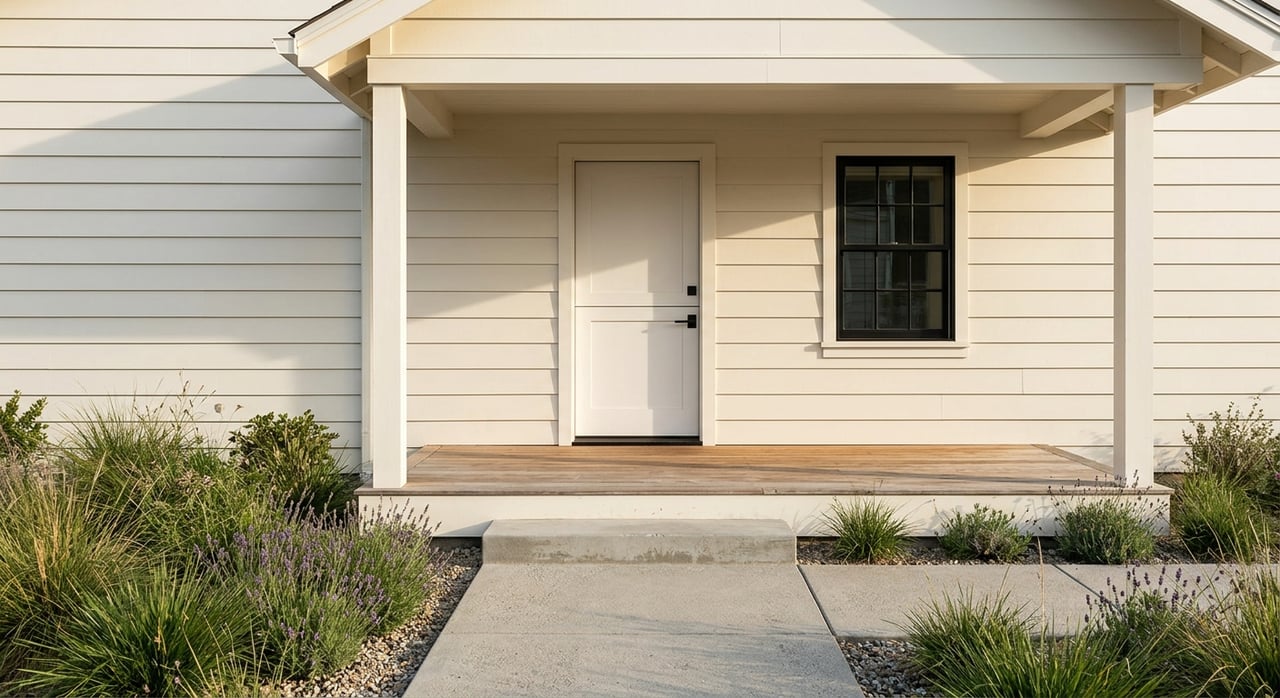
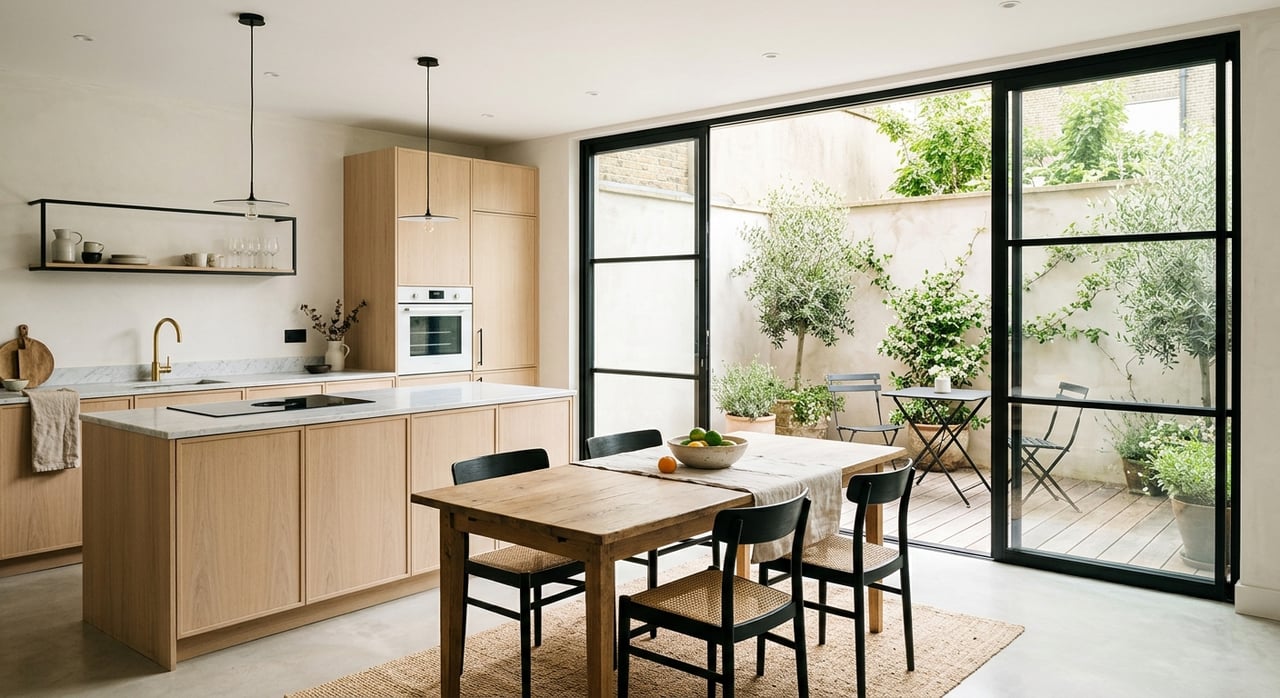
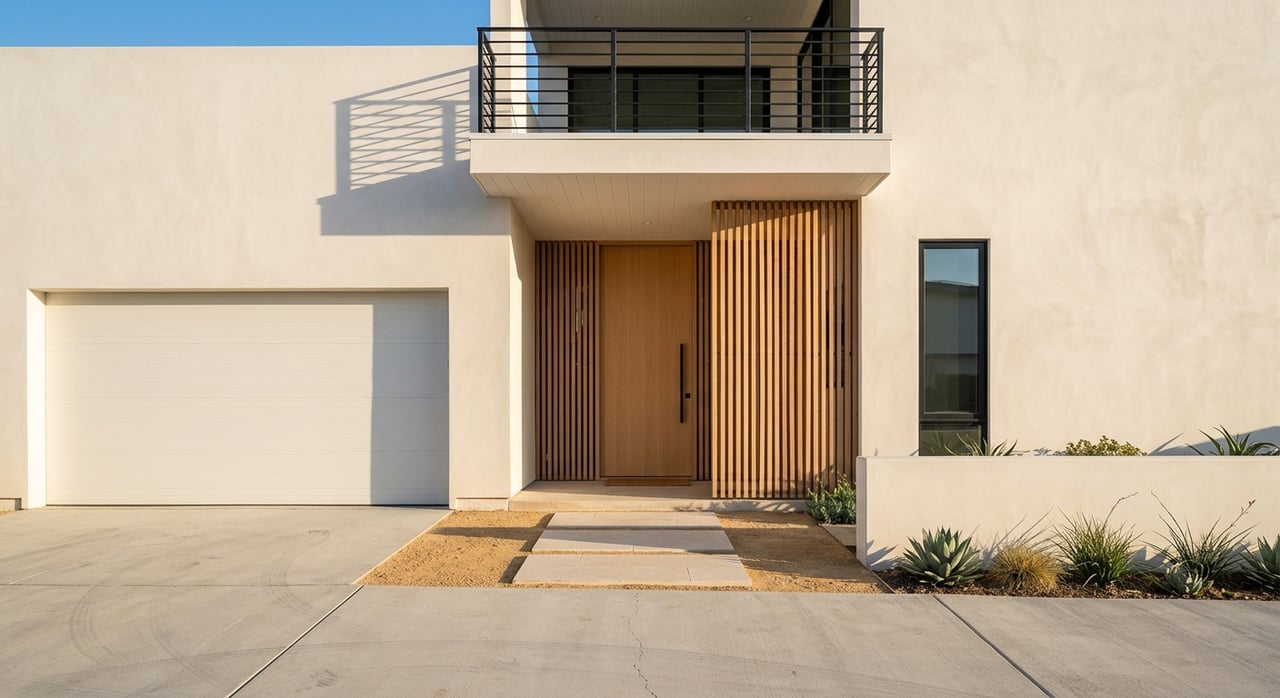
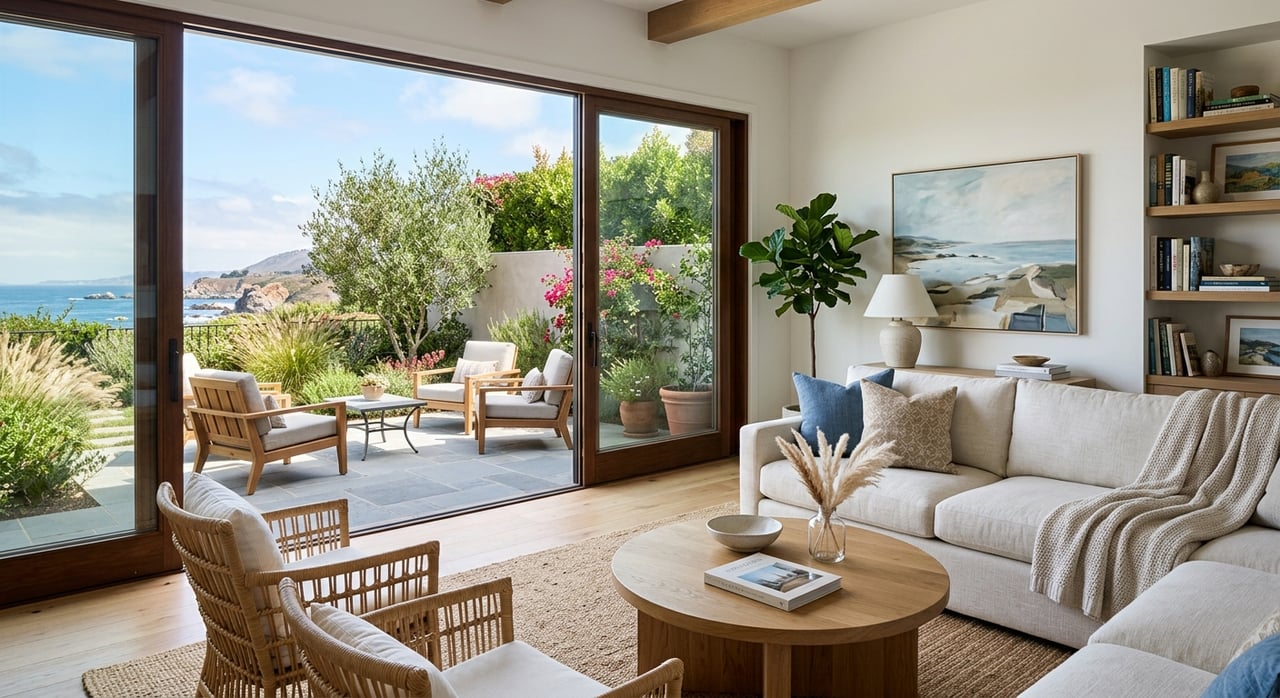
In practical terms, Culver City feels more mixed and urban than a classic single-family suburb. At the same time, it is not as uniformly dense as some larger urban cores, which gives buyers and renters a little more flexibility in how they want to live.
How Neighborhood Pockets Differ
Culver City includes several distinct residential pockets, and that matters if you are trying to find the right fit within the city. Official neighborhood areas include Blair Hills, Blanco/Culver Crest, Clarkdale, Culver/West, Downtown, Fox Hills, Jefferson, Lucerne/Higuera, McLaughlin, McManus, Park East, Park West, Studio Village, Sunkist Park, and Washington Culver.
For buyers, the key takeaway is not memorizing every name. It is understanding that Culver City is made up of different submarkets, from downtown-adjacent mixed-use areas to quieter residential sections.
That variety can be helpful if you want to stay in the same city while prioritizing different things. You may prefer easier access to restaurants and transit, or you may lean toward a more residential feel with a different pace.
Everyday Convenience Is Part of the Appeal
Culver City works well for people who value easy daily routines. Downtown Culver City has three public parking structures and one-hour free public parking, which supports quick errands, dining, and casual stops without as much friction.
The city also hosts a year-round certified farmers market on Main Street every Tuesday from 2 PM to 7 PM. That kind of recurring local amenity can make a place feel more usable week to week, not just appealing on paper.
Business districts add to that convenience. City materials highlight Downtown, the Culver City Arts District, Culver Village, and Washington West as areas with restaurants, creative businesses, specialty retail, and gourmet dining.
If your ideal neighborhood includes places to meet friends, grab dinner, or run a few errands without a major production, Culver City checks a lot of boxes.
Parks, Recreation, and Outdoor Time
Culver City also offers meaningful outdoor infrastructure for a compact city. It oversees 13 parks, giving residents a solid range of recreation spaces woven into daily life.
Veterans Memorial Park is one of the city’s major community parks at 12.9 acres. It includes a pool, teen center, basketball and tennis courts, and a walking and jogging path, along with other facilities.
For dog owners, the Boneyard at Culver City Park is the city’s official off-leash dog park. The city is also updating its parks plan on a 15-year horizon, which suggests continued attention to recreational amenities.
These details matter because they shape how livable a place feels beyond the home itself. If you want a neighborhood where outdoor time can fit naturally into your routine, Culver City offers real infrastructure for that.
Bike Access Adds Flexibility
For some buyers, biking is a bonus. For others, it is a real part of how they move through the city. Culver City has leaned into that with both bike paths and additional on-street lanes.
The Ballona Creek Bike Path runs seven miles from Syd Kronenthal Park to the Pacific Ocean and connects with both the Santa Monica Beach and South Bay bike paths. The Expo Bike Path links Ballona Creek to the La Cienega and Culver City Expo Line stations.
Ballona Creek also adds an open-space element that sets Culver City apart from some neighboring areas. The city describes it as an 8.8-mile watershed with bike path connections to Marina del Rey and the Marvin Braude coastal bike path.
If you value active transportation, outdoor access, or a more flexible way to get across the Westside, this is a meaningful part of the city’s appeal.
Who Culver City Fits Best
Culver City tends to make the most sense for buyers who want a central, work-oriented Westside base. If your priority list includes commute efficiency, mixed housing options, transit access, and everyday convenience, it deserves a close look.
It can be especially appealing if you work in creative, media, tech, or related industries and want to stay near the energy of those job centers. The city’s planning materials and industry profile support that identity clearly.
By contrast, if your top priority is living as close to the beach as possible, you may find yourself comparing Culver City with places like Santa Monica, Venice, or other coastal neighborhoods. Culver City offers a different value proposition. It is more about central access and live-work practicality than beach adjacency.
How to Decide If It Is Right for You
The best way to evaluate Culver City is to be honest about what drives your day-to-day quality of life. Ask yourself whether your priorities center on convenience, commute patterns, and neighborhood functionality, or whether they lean more toward ocean access and a coastal-first setting.
You should also think about housing format. Culver City’s mix of detached homes, condos, townhomes, and larger multi-family properties gives you more than one path into the market, which can be useful if your space needs or budget are evolving.
Finally, consider how you want your neighborhood to feel. Culver City offers a blend of residential pockets, business districts, transit infrastructure, parks, and creative-economy energy that can suit buyers looking for balance rather than just one defining feature.
If that sounds like your version of the Westside, Culver City may be a stronger fit than you think. And if you want help comparing it with nearby options, the team at Jenny Morant Group can help you narrow in on the right neighborhood, property type, and strategy for your move.
FAQs
Is Culver City a good place for Westside commuters?
- Yes. Culver City has a mean travel time to work of 26.7 minutes, plus access to Culver CityBus routes, the Metro E Line, and mobility corridors that support getting around the Westside.
What types of homes are available in Culver City?
- Culver City has a mixed housing stock that includes single-family homes, condos, townhomes, small multi-unit properties, and larger apartment-style buildings.
How urban does Culver City feel compared with other Westside areas?
- Culver City is more mixed and urban than a traditional single-family suburb, but less uniformly dense than many larger city cores.
What amenities does Downtown Culver City offer residents?
- Downtown Culver City offers restaurant and retail access, three public parking structures, one-hour free public parking, and a year-round certified farmers market on Tuesdays.
Does Culver City have parks and bike paths?
- Yes. The city oversees 13 parks and includes bike access through routes like the Ballona Creek Bike Path and the Expo Bike Path.
Who is Culver City best suited for as a Westside home base?
- Culver City is often a strong fit for buyers who want central location, commute convenience, live-work functionality, and a mix of housing options on the Westside.
Purchase Price & Mortgage Comparison Calculator
Compare today's costs vs. a future purchase.
Enter a positive or negative percentage to see impact.
DISCLAIMER: THIS TOOL IS INTENDED FOR INFORMATIONAL AND ILLUSTRATIVE PURPOSES ONLY. THE RESULTS PROVIDED ARE ESTIMATES BASED ON THE INFORMATION YOU PROVIDE, AND ACCURACY IS NOT GUARANTEED. YOU SHOULD NOT RELY SOLELY UPON THE CALCULATIONS IN THIS TOOL AND ARE ADVISED TO CHECK ALL AMOUNTS AND CALCULATIONS PROVIDED. WE ASSUME NO LIABILITY FOR ANY FINANCIAL DECISIONS MADE BASED ON THE INFORMATION PROVIDED BY THIS TOOL.
THE LOAN TERMS YOU MAY RECEIVE MAY BE DIFFERENT FROM THESE ESTIMATES. LOAN QUALIFICATION, INTEREST RATES, AND PAYMENTS ARE SUBJECT TO CHANGE AND DEPEND ON VARIOUS FACTORS INCLUDING YOUR CREDIT HISTORY, FINANCIAL SITUATION, AND PROPERTY DETAILS. PLEASE CONSULT WITH A QUALIFIED MORTGAGE PROFESSIONAL, MORTGAGE BROKER, OR YOUR BANK TO CONFIRM ELIGIBILITY AND FIND OUT WHAT MORTGAGE PRODUCTS ARE AVAILABLE TO YOU.
PROPERTY TAX ESTIMATES ARE BASED ON AN ASSUMED 1.25% ANNUAL RATE AND SHOULD BE CONFIRMED WITH LOCAL AUTHORITIES.