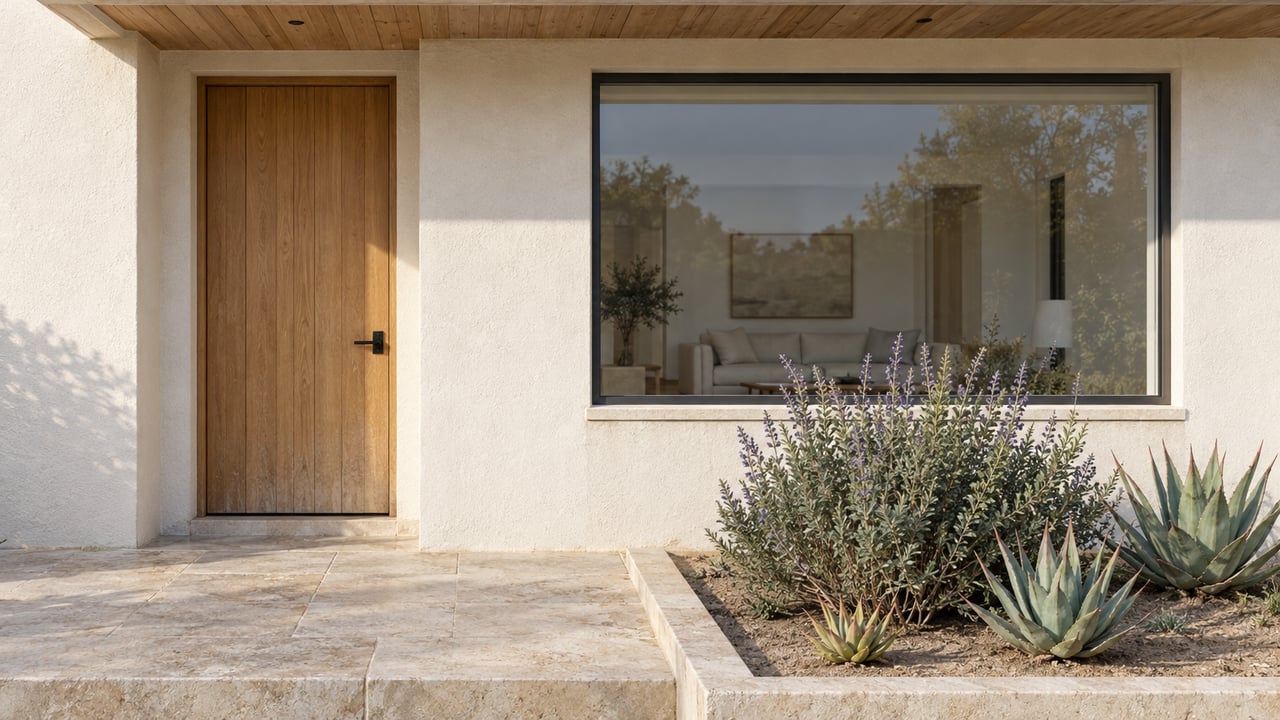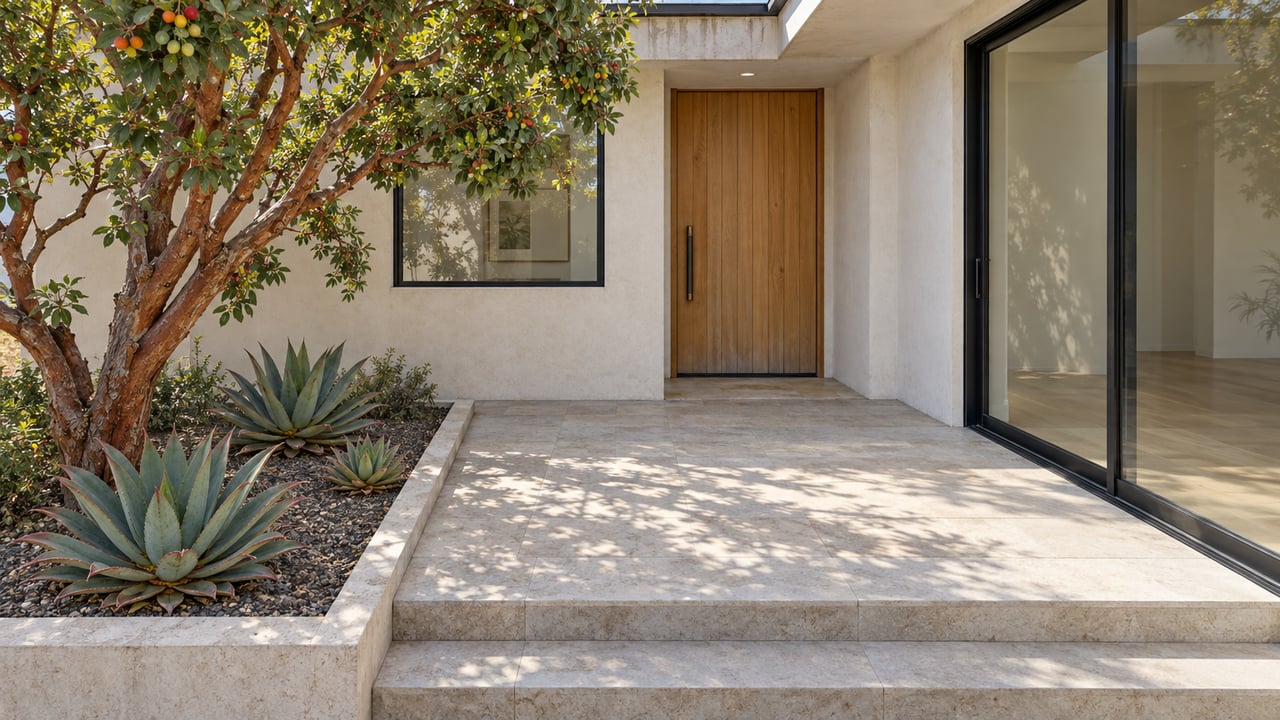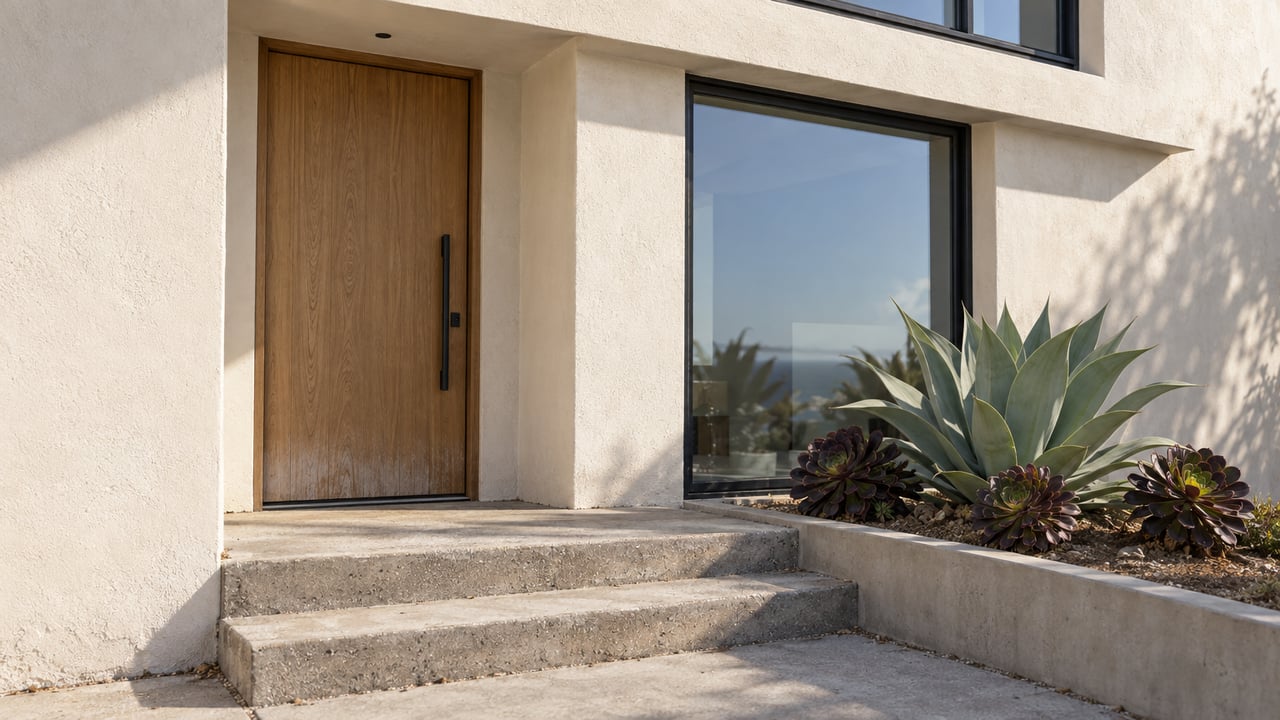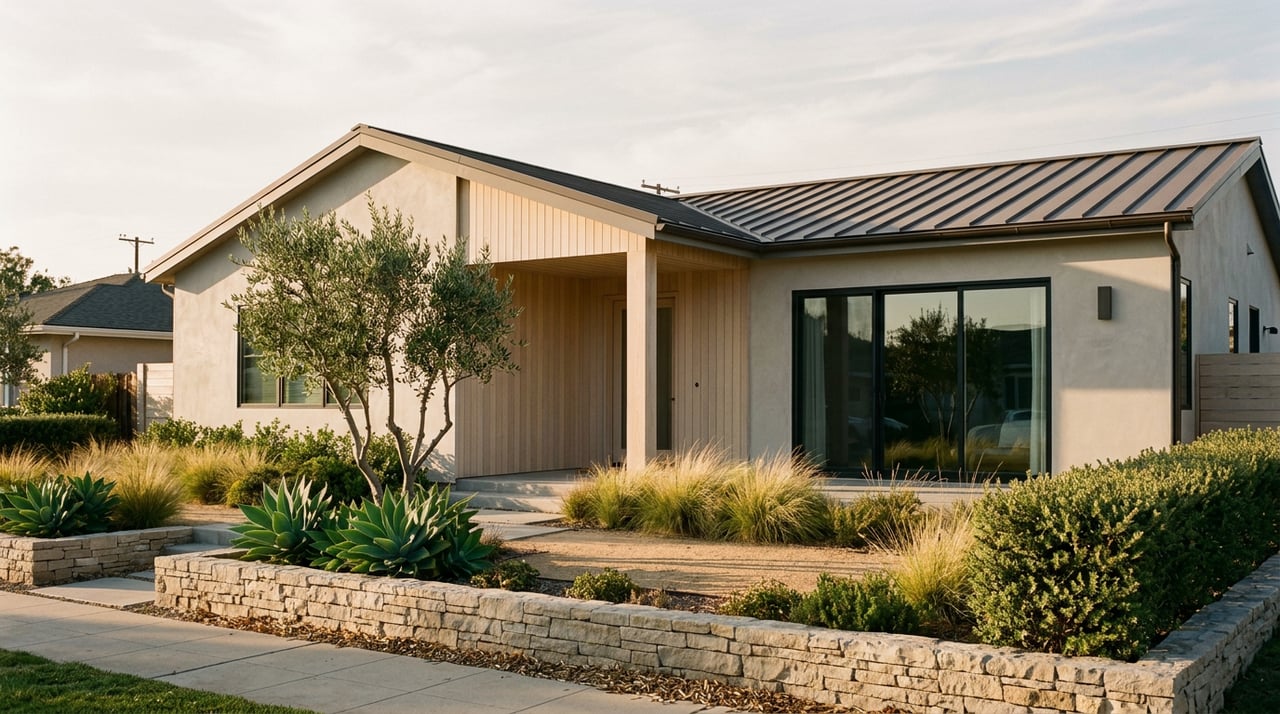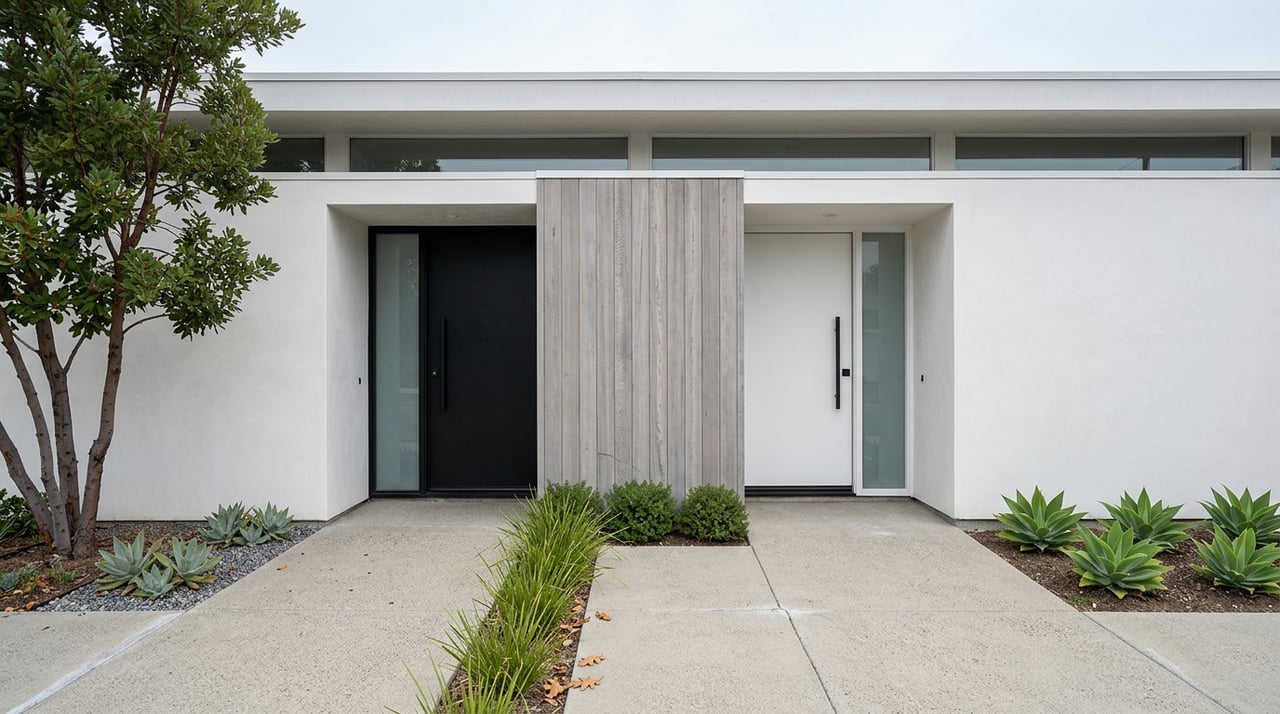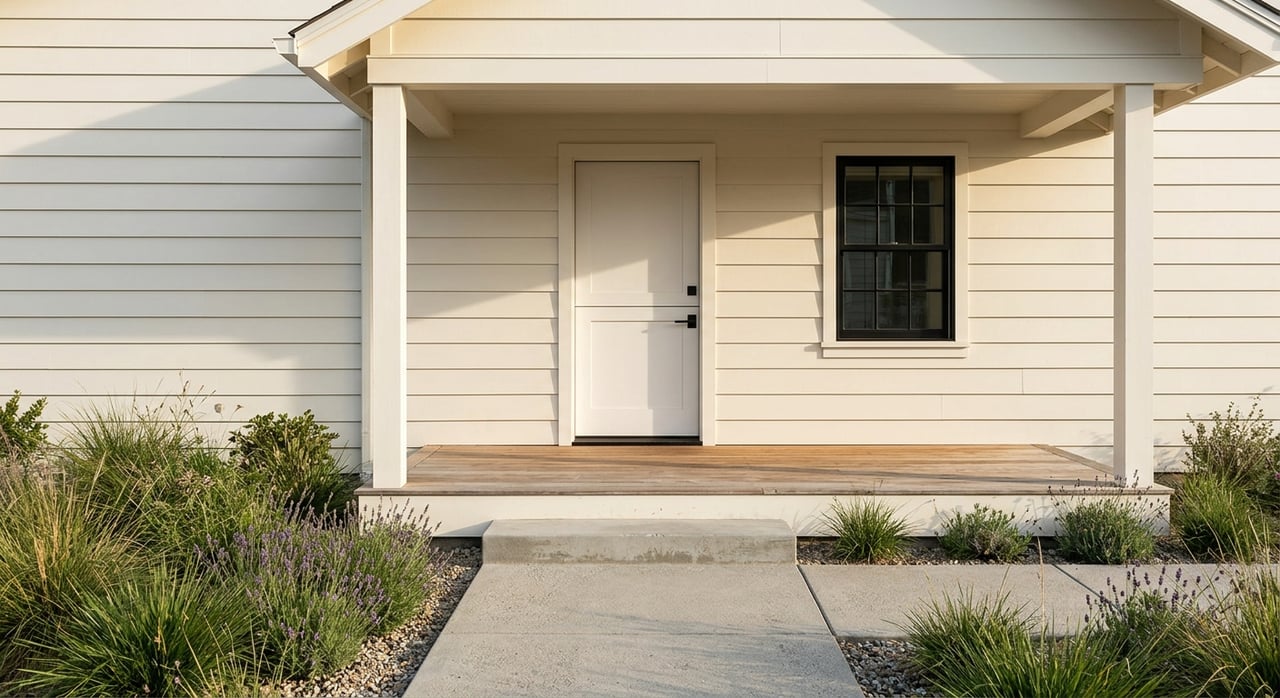
Wondering what kind of home really defines Venice? The answer is not just one look or one era. Venice is a layered coastal market where early beach cottages, canal homes, walk-street houses, bungalow courts, apartment buildings, and bold modern residences all exist side by side. If you are buying, selling, or simply trying to understand the neighborhood, this guide will help you make sense of Venice home styles and what they mean for daily living. Let’s dive in.
Venice Has No Single Signature Style
One of the most important things to know about Venice is that it is not a one-style neighborhood. City planning and survey documents identify a wide range of housing types, from original beach cottages and bungalow courts to apartment houses, mixed-use live/work buildings, and late-modern or postmodern homes.
That variety is not accidental. Venice’s local coastal planning framework specifically calls for preserving the community’s architectural diversity. For you as a buyer or seller, that means the value of a home in Venice often comes from how well it fits its setting, scale, and street pattern, not just how new or large it is.
Early Venice Homes
Beach cottages and canal homes
Some of Venice’s earliest homes are small single-family houses built in the 1900s through the 1920s. SurveyLA identifies original beach cottages as a notable part of the local housing stock, especially near the canals and along Abbot Kinney Boulevard.
These homes often reflect Craftsman, American Colonial, Victorian vernacular, or other simple period styles. In practical terms, they usually feel intimate, historic, and closely tied to the original scale of Venice.
Walk-street houses
Venice walk streets are one of the neighborhood’s most recognizable residential patterns. In these areas, homes face wide pedestrian paths rather than typical car-oriented streets, creating a layout that feels more connected to foot traffic and outdoor life.
The city’s survey describes the North Venice Walk Streets and Milwood Venice Walk Streets as mostly one- and two-story residences from the early 20th century. Many of these homes show Craftsman or Victorian vernacular influences, while the streets themselves are shaped by mature vegetation, walls or fences, and planted areas that reinforce the pedestrian character.
Why early homes feel different
A big part of the charm in older Venice housing is not just the architecture. It is the way the lot and street work together. Early tract planning used separate drive streets and walk streets, which created a more courtyard-like arrangement for small lots.
That layout still shapes how many homes feel today. Even when square footage is modest, the relationship to the path, planting, and surrounding homes can make the setting feel more personal and visually interesting.
Canal And Walk-Street Living
Small lots with strong character
Venice’s coastal plan notes that many single-family homes sit on 5,000-square-foot lots, but lots as small as 2,500 square feet are also common. That helps explain why many homes in Venice feel compact compared with other coastal markets in Los Angeles.
In the canal areas, the city also places special limits on lot consolidation to help preserve neighborhood character. Similar protections apply in walk-street areas and other residential subareas, which supports the small-scale rhythm that many buyers associate with Venice.
Outdoor space often works differently here
If you are expecting oversized private yards, Venice may surprise you. Canal-front homes, in particular, are shaped by specific setback and permeable-yard requirements, including an average 15-foot front-yard setback that helps preserve canal access and views.
That means outdoor living in Venice often depends less on a large backyard and more on how a home connects to a patio, front yard, walkway, canal edge, or nearby public open space. The broader community plan also shows how much public outdoor space helps define Venice, including the beach, canals, Ballona Lagoon, parks, and esplanades.
Multifamily Venice Styles
Bungalow courts
Venice is not only about detached homes. SurveyLA found about 15 intact bungalow courts, most dating to the 1920s. These properties reflect a wide mix of architectural styles, including Craftsman, American Colonial Revival, Spanish Colonial Revival, Tudor Revival, French Norman Revival, and Streamline Moderne.
For you as a buyer, a bungalow court may offer a more shared and compact residential experience than a single-family home. The design centers living spaces around common courts or tighter footprints, which creates a different sense of rhythm and privacy.
Apartment houses and beachfront buildings
SurveyLA also documents apartment houses, a garden apartment, and early beachfront apartment buildings along Ocean Front Walk. These property types are part of what gives Venice its layered, urban-coastal mix.
From a lifestyle standpoint, these homes often trade larger private outdoor space for location and proximity to public amenities. City planning documents also repeatedly note parking and usable open space as ongoing issues in multifamily areas, so those details can matter when comparing options.
Contemporary Venice Architecture
Modern and postmodern homes
By the late 20th century, Venice had become known for more experimental residential design. SurveyLA identifies significant examples of Late Modern, Post-Modern, and Deconstructivist architecture, and notes that many well-known architects produced early work in Venice.
If you walk the neighborhood today, that influence shows up in sculptural forms, bold geometry, varied materials, and compact low-rise construction. These homes often stand out not because they are oversized, but because they use shape, light, and privacy in creative ways.
Compact design-forward living
Examples highlighted by preservation resources show how this style works on small lots. Designs like the 2-4-6-8 House and the Norton Residence emphasize stepped forms, box-like volumes, and a careful balance between openness and privacy.
For buyers who care about architecture, this is one of Venice’s biggest draws. You can find homes that feel highly intentional and visually distinct, even when the footprint is relatively modest.
Live/Work And Mixed-Use Homes
Where live/work tends to cluster
Venice also has a strong live/work identity, especially in commercial-artcraft and mixed-use corridors. The local coastal plan describes these districts as places where artisans can live, create, and market their work.
The city specifically notes mixed-use structures with live/work artist studios, as well as industrial buildings used for galleries and studio space. This pattern is associated with areas around Abbot Kinney Boulevard, Windward Avenue, and nearby Ocean Front Walk.
What that means for buyers
If you are looking for a more urban, flexible property type, live/work homes may appeal to you. These spaces are typically less about traditional yard space and more about function, street activity, and access to walkable corridors.
The coastal plan also connects mixed-use development with lower auto dependence and stronger pedestrian activity. In everyday terms, these homes often fit buyers who want a design-forward lifestyle with a closer relationship to retail, creative uses, and the street environment.
How Home Style Shapes Daily Life
Historic and intimate
Older cottages and canal homes often appeal to buyers who want character and a sense of place. Their value is often tied to original scale, architectural detail, and location within one of Venice’s earlier residential patterns.
The Venice Canals are especially significant in this conversation. The local coastal program notes that the canals’ historic integrity should be preserved and recognizes their formal historic status.
Communal and walkable
Walk-street houses and bungalow courts often feel more connected to shared outdoor areas. Instead of a typical suburban layout, these homes may place more emphasis on the pedestrian path, court, or surrounding streetscape.
That can make the neighborhood experience feel especially distinctive. For many buyers, the appeal is less about lot size and more about how the home participates in the surrounding setting.
Urban and design-led
Modern, postmodern, and live/work properties often attract buyers who value architecture, flexibility, and a more contemporary street presence. These homes can feel efficient, polished, and highly specific to Venice’s creative identity.
If you are comparing styles, it helps to think beyond labels. The better question is how you want the home to live, whether that means historic charm, pedestrian orientation, compact efficiency, or bold design.
What Sellers Should Know About Venice Style
If you are selling in Venice, home style is a major part of the story you are bringing to market. Buyers are often not just shopping for square footage. They are also evaluating how a property fits into Venice’s historic fabric, pedestrian scale, or design culture.
That is why presentation matters. A classic cottage, a walk-street home, a canal property, or a modern architectural residence each needs a marketing approach that highlights the right details, from scale and layout to outdoor connection and architectural identity.
For sellers in a design-conscious coastal market like Venice, that kind of positioning can shape how buyers understand value from the first showing onward.
If you are trying to decide which Venice home style best fits your goals, or how to position your property for today’s market, Jenny Morant Group offers boutique guidance with a design-minded, high-touch approach.
FAQs
What home styles are most common in Venice?
- Venice includes early Craftsman and vernacular cottages, canal homes, walk-street houses, bungalow courts, apartment buildings, and later modern or postmodern infill homes.
Where are Venice’s historic residential districts?
- SurveyLA identifies the Lost Venice Canals district, the North Venice Walk Streets district, and the Milwood Venice Walk Streets district as historic streetcar-era residential districts.
Are Venice canal homes considered historic?
- Yes. The local coastal program states that the Venice Canals’ historic integrity should be preserved and notes their recognized historic status.
Do Venice homes usually have large private yards?
- Not usually. Many Venice lots are relatively small, and canal-front homes have setback and permeable-yard requirements that shape how outdoor space is used.
Where are live/work homes most common in Venice?
- Live/work homes are concentrated in commercial-artcraft and mixed-use areas, including corridors around Abbot Kinney Boulevard, Windward Avenue, and nearby Ocean Front Walk.
Does new Venice development have to fit the existing neighborhood scale?
- Yes. The local coastal plan uses controls such as lot-consolidation limits, scale standards, and design rules intended to keep new construction compatible with Venice’s small-lot, pedestrian-oriented character.
Purchase Price & Mortgage Comparison Calculator
Compare today's costs vs. a future purchase.
Enter a positive or negative percentage to see impact.
DISCLAIMER: THIS TOOL IS INTENDED FOR INFORMATIONAL AND ILLUSTRATIVE PURPOSES ONLY. THE RESULTS PROVIDED ARE ESTIMATES BASED ON THE INFORMATION YOU PROVIDE, AND ACCURACY IS NOT GUARANTEED. YOU SHOULD NOT RELY SOLELY UPON THE CALCULATIONS IN THIS TOOL AND ARE ADVISED TO CHECK ALL AMOUNTS AND CALCULATIONS PROVIDED. WE ASSUME NO LIABILITY FOR ANY FINANCIAL DECISIONS MADE BASED ON THE INFORMATION PROVIDED BY THIS TOOL.
THE LOAN TERMS YOU MAY RECEIVE MAY BE DIFFERENT FROM THESE ESTIMATES. LOAN QUALIFICATION, INTEREST RATES, AND PAYMENTS ARE SUBJECT TO CHANGE AND DEPEND ON VARIOUS FACTORS INCLUDING YOUR CREDIT HISTORY, FINANCIAL SITUATION, AND PROPERTY DETAILS. PLEASE CONSULT WITH A QUALIFIED MORTGAGE PROFESSIONAL, MORTGAGE BROKER, OR YOUR BANK TO CONFIRM ELIGIBILITY AND FIND OUT WHAT MORTGAGE PRODUCTS ARE AVAILABLE TO YOU.
PROPERTY TAX ESTIMATES ARE BASED ON AN ASSUMED 1.25% ANNUAL RATE AND SHOULD BE CONFIRMED WITH LOCAL AUTHORITIES.