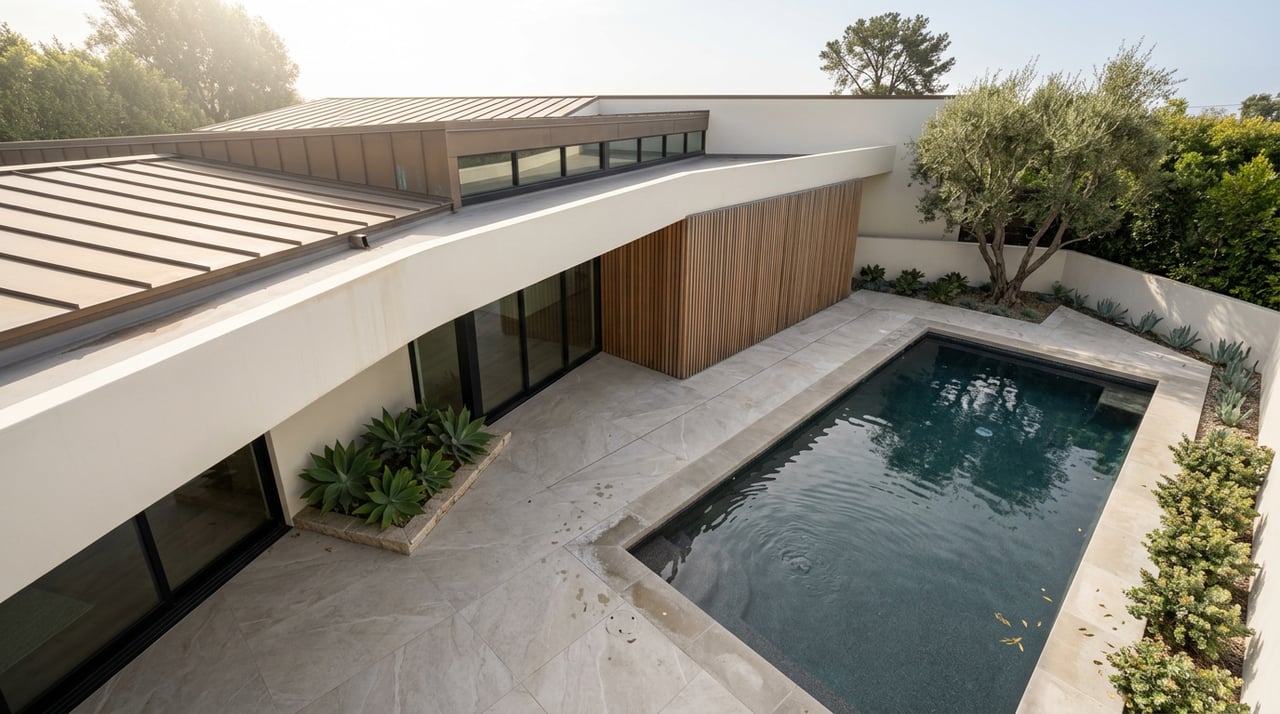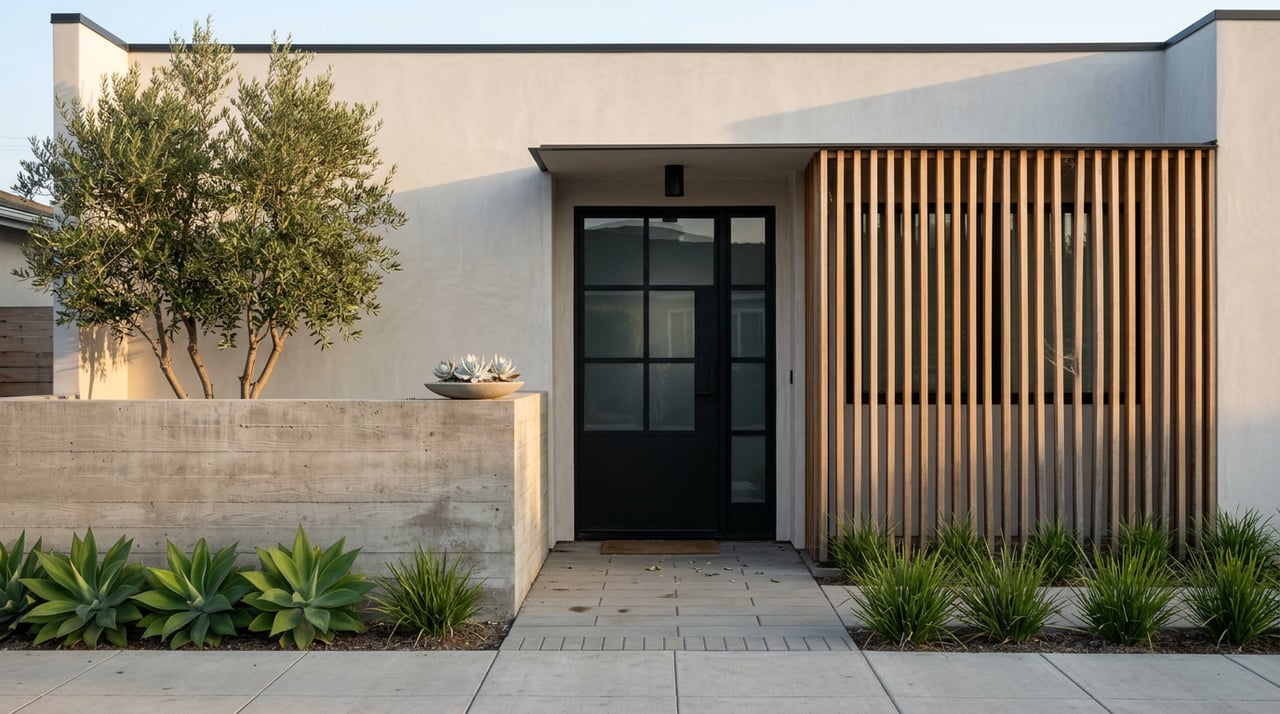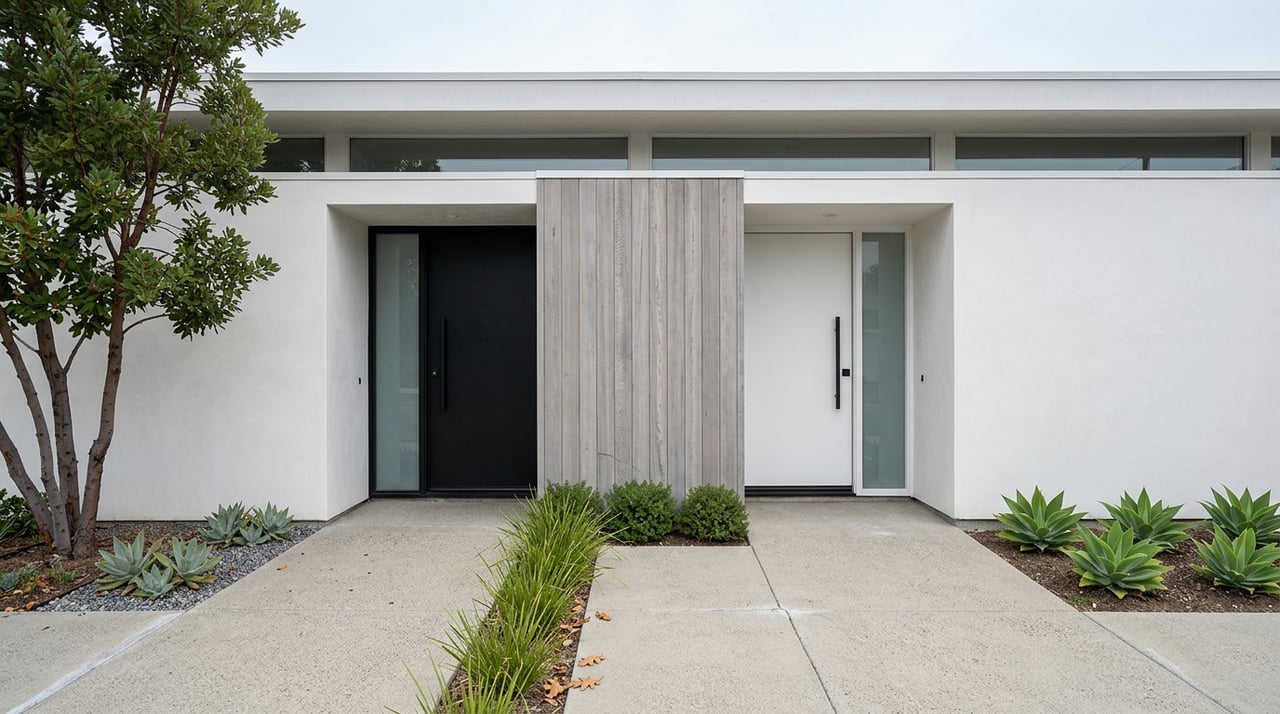
Two eight-unit buildings sit two blocks apart in Santa Monica. Same rents on the rent roll, same square footage, same cap rate on the flyer. An investor comparing them side by side would reasonably assume they're priced the same way for the same reasons.
They aren't. One of those buildings was issued its certificate of occupancy in 1975. The other went up in 1981. That six-year gap, not the address, not the finishes, not even the current rent roll, is the single fact that determines whether this is a stable income asset or a property you may never be able to fully monetize without a six-figure exit bill. Most underwriting models never ask for that date. They should.
The Date That Outweighs the Address
Santa Monica's Rent Control Law was adopted by voters in April 1979 and it draws a hard line: buildings that had a certificate of occupancy before April 10, 1979 fall under the ordinance. Buildings completed after that date generally don't. Single-family homes and condominiums are exempt under the state's Costa-Hawkins Rental Housing Act, though newer construction may still fall under the statewide rent cap in AB 1482 depending on age and use.
This means a property's construction date functions almost like a zoning designation. It tells you, before you look at a single lease, whether you're buying an asset where you control the rent trajectory or one where the city sets it for you. The Rent Control Board maintains a public registry of covered units, and that registry is the first document any serious buyer should pull, well before a home inspection or a pro forma.
What Rent Control Actually Caps, in Real Numbers
For buildings under the ordinance, the Rent Control Board sets an annual general adjustment. For the period beginning September 1, 2026, that adjustment is 2.6%, with a hard ceiling of $70 a month regardless of how high 2.6% would otherwise push an existing tenant's rent. The year before, the adjustment was 2.3% with a $60 cap. The pattern is a formula tied to the Consumer Price Index, not a market-driven number, and it applies regardless of what comparable unregulated units nearby are renting for.
There's also a standing carrying cost that doesn't show up on most listing sheets: a per-unit annual registration fee, set at $240 for the 2026/2027 fiscal year, with up to half of it passable to tenants as a monthly line item. On its own that's not what makes or breaks a deal. Combined with a capped annual increase, though, it means the upside on a covered building is genuinely bounded in a way a post-1979 building's isn't. You can improve the property, but you can't reprice it to market the way you could with an exempt asset.
The Line Item Most Pro Formas Skip
Here's the part that catches buyers off guard, and it's the reason the construction date matters more than almost anything else on the flyer.
If an owner of a rent-controlled Santa Monica building ever wants to exit the rental business entirely, whether to redevelop, sell vacant, or convert to owner use, the path is the Ellis Act. And the Ellis Act is not free. As of early 2026, base relocation payments to displaced tenants run approximately $23,000 to $24,000 per unit, with additional payments required for elderly, disabled, or family households. On a ten-unit building with a mix of tenant types, total relocation costs can easily clear $250,000 before a single hammer swings.
The process itself takes time the buyer needs to plan around. Owners must file notice of intent to withdraw with the Rent Control Board, then serve individual notices to each tenant, who is entitled to at least 120 days and up to a full year if elderly or disabled. Tenants keep paying rent and keep all their rights during that entire window.
None of this shows up in a cap rate. It shows up the day an investor decides the current use no longer serves the plan and discovers that changing course has a price tag attached, one that scales with unit count and tenant tenure. A building that looks identical to its exempt neighbor on the rent roll can carry a quarter-million-dollar contingent liability that the exempt building simply doesn't have.
Why You Can't Just Condo-Convert Your Way Out
Some buyers assume condo conversion is the workaround: convert the units, sell them individually, and step outside rent control entirely. Santa Monica's municipal code closes that door for most properties. No conversion of rental units to market-rate condominiums or cooperatives is permitted until the units that were demolished or converted back in 1978 and 1979 are replaced, and no hotel or motel can be converted to condominiums or a cooperative at all. The city's regulations also still track legacy TORCA units, tenant-ownership conversions from decades ago, in its base-rent and registration rules, a reminder that this framework has been actively administered, not just written into law and forgotten.
For an investor, the practical read is straightforward. If you're buying a pre-1979 multifamily property in Santa Monica expecting an eventual condo exit, verify the current conversion restrictions apply to your specific building before that exit shows up in your model.
What This Means When You Underwrite
Put the two buildings back side by side and the comparison looks like this:
| Pre-4/10/1979 building | Post-4/10/1979 building | |
|---|---|---|
| Annual rent increase | Capped by city formula (2.6% / $70 max for 2026-27) | Set by owner, market-based |
| Exit via full vacancy | Requires Ellis Act filing, tenant notice, relocation payments (~$23K-24K+/unit) | No relocation liability required |
| Condo conversion | Restricted under city code | Governed by standard state and local zoning process |
| Annual registration fee | $240/unit (partially passable to tenants) | Not applicable |
| Single-family homes and condos | Exempt under Costa-Hawkins regardless of build date | Exempt |
The single-family and condo exemption is why this whole analysis mostly misses the buyers this team works with most often, the ones purchasing a primary residence in Manhattan Beach or Hermosa Beach or a beach-adjacent Santa Monica condo. It matters intensely, though, for the investor client weighing a small multifamily acquisition, someone treating Santa Monica as a long-term income play rather than a place to live. For that buyer, the construction date isn't a footnote. It's the underwriting assumption everything else depends on.
Frequently Asked Questions
Does Santa Monica rent control apply to the single-family home I'm buying to live in? No. Single-family homes and condominiums are exempt under the state's Costa-Hawkins Rental Housing Act, though they may still be subject to the statewide AB 1482 rent cap in specific circumstances involving rental use.
How do I find out if a specific address is rent controlled before I make an offer? The Santa Monica Rent Control Board maintains a public registry of covered units. Checking that registry, alongside the building's certificate of occupancy date, should happen before you finalize an offer, not during due diligence.
If I buy a rent-controlled building, do I inherit the existing leases and rent levels? Yes. The rents in place transfer with the property, and future increases are governed by the Rent Control Board's annual general adjustment rather than by the new owner's preference.
Rent control math is not a reason to avoid Santa Monica multifamily investment. It's a reason to price it accurately. A building's income potential, its exit costs, and its long-term flexibility all trace back to a date most listing sheets don't mention. If you're weighing a Santa Monica acquisition, or trying to figure out what a specific building's rent-control status actually means for your return, the Jenny Morant Group can walk through the registry, the numbers, and the exit scenarios before you're under contract, not after.
Purchase Price & Mortgage Comparison Calculator
Compare today's costs vs. a future purchase.
Enter a positive or negative percentage to see impact.
DISCLAIMER: THIS TOOL IS INTENDED FOR INFORMATIONAL AND ILLUSTRATIVE PURPOSES ONLY. THE RESULTS PROVIDED ARE ESTIMATES BASED ON THE INFORMATION YOU PROVIDE, AND ACCURACY IS NOT GUARANTEED. YOU SHOULD NOT RELY SOLELY UPON THE CALCULATIONS IN THIS TOOL AND ARE ADVISED TO CHECK ALL AMOUNTS AND CALCULATIONS PROVIDED. WE ASSUME NO LIABILITY FOR ANY FINANCIAL DECISIONS MADE BASED ON THE INFORMATION PROVIDED BY THIS TOOL.
THE LOAN TERMS YOU MAY RECEIVE MAY BE DIFFERENT FROM THESE ESTIMATES. LOAN QUALIFICATION, INTEREST RATES, AND PAYMENTS ARE SUBJECT TO CHANGE AND DEPEND ON VARIOUS FACTORS INCLUDING YOUR CREDIT HISTORY, FINANCIAL SITUATION, AND PROPERTY DETAILS. PLEASE CONSULT WITH A QUALIFIED MORTGAGE PROFESSIONAL, MORTGAGE BROKER, OR YOUR BANK TO CONFIRM ELIGIBILITY AND FIND OUT WHAT MORTGAGE PRODUCTS ARE AVAILABLE TO YOU.
PROPERTY TAX ESTIMATES ARE BASED ON AN ASSUMED 1.25% ANNUAL RATE AND SHOULD BE CONFIRMED WITH LOCAL AUTHORITIES.